INTEGRATED UAV PROPULSIONINTEGRATED UAV PROPULSION

Integrate Faster with Motor ESC and Propeller Engineered Together

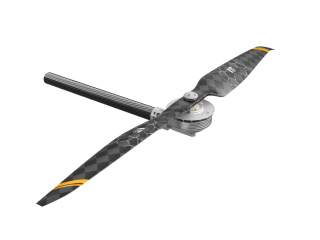
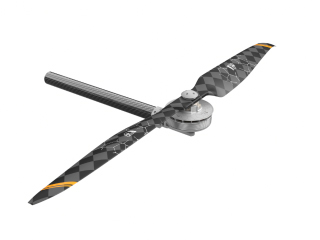
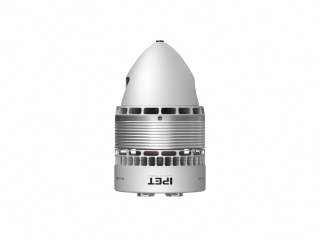
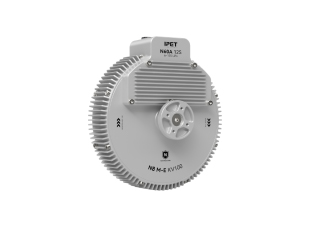
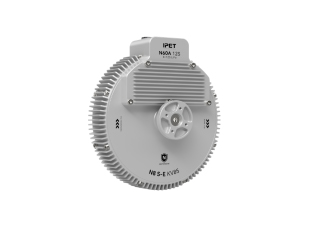
IPET develops the motor, ESC, and matched propeller as one propulsion architecture, with system-level configuration and test data built around the aircraft voltage, thrust, duty cycle, and operating environment. This reduces separate component sourcing, compatibility checks, wiring complexity, and repeated bench testing so UAV teams can move from airframe design to prototype flight with fewer integration variables.

INTEGRATED UAV PROPULSION

Reduce Propulsion Integration Variables Before Flight Testing

Propulsion integration includes more than selecting a motor. ESC response, propeller loading, thermal margin, wiring layout, control signals, and repeatable test data must work together. IPET develops these elements as a system so engineering teams can make earlier fit decisions and reduce redesign during prototype validation.

Prototype Design and Early Flight Testing mission image placeholder

Prototype Design and Early Flight Testing

Challenge

When the motor, ESC, and propeller are sourced independently, engineers must verify electrical compatibility, control response, thermal margin, thrust efficiency, and propeller loading before the first reliable flight. A mismatch in any one component can trigger another selection and test cycle.

IPET Design Response

IPET provides defined motor, ESC, and propeller configurations developed as a system. Engineers can start from target MTOW, voltage, thrust margin, mission profile, and installation limits, then reference system-level bench data before committing the propulsion layout to the airframe.

One System
Motor ESC Prop
Test Data
Earlier Fit Check
Simpler Installation and Cleaner Wiring mission image placeholder

Simpler Installation and Cleaner Wiring

Challenge

Separate ESCs, extended phase wires, exposed connectors, soldering work, and inconsistent cable routing increase assembly variation and create more potential failure points. Wiring complexity also makes cooling, service access, and repeated production harder to control.

IPET Design Response

Depending on the model, IPET integrates the ESC directly with the motor or provides a defined matched ESC and propeller configuration. This reduces unnecessary cable length and connector count while making arm layout, cooling paths, installation, and later service easier to plan.

Fewer
Connection Points
Cleaner
Arm Layout
Faster
Assembly Workflow
Repeatable Production and Fleet Support mission image placeholder

Repeatable Production and Fleet Support

Challenge

A propulsion setup that works on one prototype can still be difficult to reproduce across pilot builds, batch production, and field maintenance. Separate component changes create BOM variation, inconsistent performance, and longer troubleshooting across multiple aircraft.

IPET Design Response

Once the propulsion configuration is approved, the same motor, ESC, propeller, control interface, and supporting documents can be carried into pilot builds and production. This helps control BOM variation, standardize replacement units, and shorten troubleshooting across a fleet.

Stable BOM
Controlled Parts List
Repeatable
Build Consistency

INTEGRATED UAV PROPULSION

Engineering Support for Propulsion Integration

IPET helps UAV manufacturers and system integrators compare motor, ESC, and propeller configurations, review installation constraints, and narrow the propulsion setup before prototype testing.

IPET Blog & Insights

Read technical articles on integrated propulsion architecture, motor and ESC coordination, propeller matching, thermal design, installation planning, and platform validation.

Visit Blog

System Selection

Share your platform type, MTOW, voltage, payload, propeller clearance, duty cycle, control interface, and operating environment. Our team can help narrow a suitable IPET configuration.

Contact Us

Downloads & Documents

Access specifications, technical drawings, bench test data, operating guides, and STEP files for airframe layout, internal evaluation, and project documentation.

Downloads

Explore Other IPET Solutions