ALL-WEATHER UAV PROPULSIONALL-WEATHER UAV PROPULSION

Reliable UAV Propulsion for Harsh Outdoor Missions

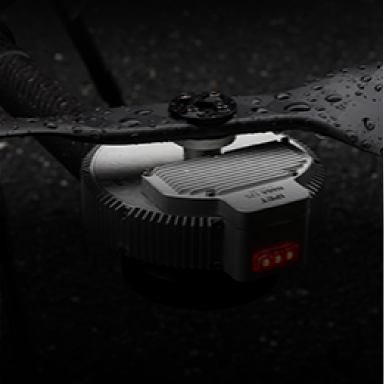
IPET N Series integrates a sealed inrunner motor, application-specific ESC, and matched propeller into a validated propulsion configuration for industrial multirotor UAVs operating in rain, salt spray, dust, and wide temperature conditions. IP66 protection is standard, with IP67 available on selected project configurations, helping platform teams reduce environmental exposure risks and maintain dependable thrust across inspection, emergency response, and continuous outdoor operations.

ALL-WEATHER UAV PROPULSION

When Weather Becomes a Propulsion Requirement

All-weather capability is not defined by an IP rating alone. It depends on how the motor structure, ESC integration, materials, electrical interfaces, thermal behavior, and propeller configuration work together under prolonged exposure. IPET supports N Series development with ingress-protection design, salt-spray validation, 500-hour endurance cycling, and system-level bench data.

Offshore Wind, Ports and Maritime Inspection mission image placeholder

Offshore Wind, Ports and Maritime Inspection

Challenge

Coastal and offshore UAV missions expose propulsion systems to salt spray, humidity, wind variation, and repeated outdoor duty cycles. Corrosion at motor surfaces, bearings, fasteners, or electrical interfaces can increase maintenance frequency and reduce confidence in long-duration inspection schedules.

IPET Design Response

N Series uses a sealed inrunner architecture, 6061-T6 aluminum housing, stainless-steel hardware, and IP66 standard protection to reduce exposure at critical propulsion interfaces. A 120-hour neutral salt-spray test provides engineering evidence for coastal, port, offshore wind, ship inspection, and other high-humidity deployments.

120 h
Neutral Salt-Spray Test
IP66
Standard Protection
6061-T6
Aluminum Housing
Heavy Rain, Flood Monitoring and Emergency Response mission image placeholder

Heavy Rain, Flood Monitoring and Emergency Response

Challenge

Rain, spray, wet takeoff and landing zones, and short turnaround windows leave little tolerance for moisture entering the motor, ESC, or exposed wiring interfaces. Loss of thrust stability or delayed propulsion response can interrupt time-critical flood monitoring, search, rescue, and public-safety missions.

IPET Design Response

The sealed inrunner structure limits direct water and dust exposure around the motor core, while integrated N60A ESC configurations reduce external wiring and connection points. For projects requiring a higher level of ingress protection, IP67 can be configured according to the platform and operating environment.

IP66
Standard Protection
IP67
Optional Configuration
N60A
Integrated ESC
Dust, Sand and Outdoor Industrial Sites mission image placeholder

Dust, Sand and Outdoor Industrial Sites

Challenge

Mining, quarrying, construction, and dry industrial sites generate fine dust and abrasive particles that can enter exposed propulsion components. Over repeated missions, contamination can accelerate bearing wear, increase vibration, restrict heat dissipation, and shorten service intervals.

IPET Design Response

A protected inrunner layout, robust bearing support, and integrated system architecture help reduce contaminant exposure and simplify installation. N Series has completed 500-hour bench cycling across 40–80% throttle, with surface temperature remaining around 50–51°C under the documented test conditions, providing a stronger basis for reliability assessment and maintenance planning.

500 h
Bench Endurance Cycling
40–80%
Throttle Test Range
50–51°C
Test Surface Temperature

ALL-WEATHER UAV PROPULSION

Select the N Series by Quadcopter MTOW Class

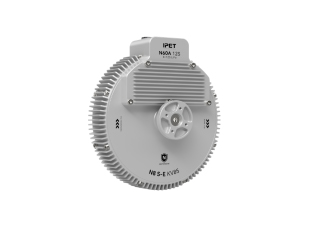
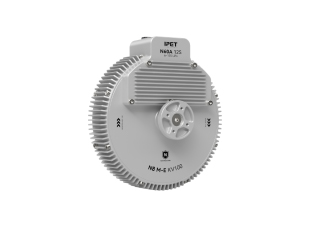
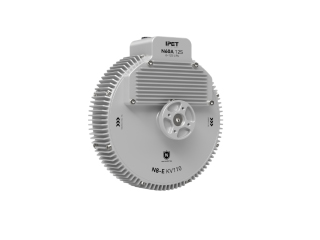
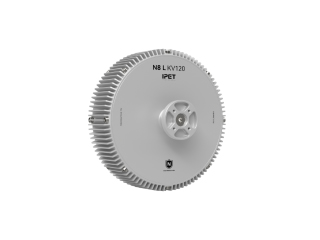
Use this matrix for initial screening by quadcopter MTOW, voltage, propeller size, and ESC architecture. Final selection should also account for hover thrust, maximum thrust margin, altitude, ambient temperature, propeller clearance, duty cycle, and required ingress protection. N8S-E, N8M-E, and N8-E provide integrated ESC configurations; N8L supports a separate ESC strategy for heavier platforms.

ALL-WEATHER UAV PROPULSION

Engineering Support for Harsh-Environment UAV Platforms

IPET helps engineering teams assess environmental exposure, ingress-protection requirements, MTOW, voltage, propeller limits, thermal conditions, and integration constraints before prototype testing. The objective is to narrow configuration risk before airframe-level validation.

IPET Blog & Insights

Review engineering articles covering all-weather propulsion design, ingress protection, corrosion risk, salt-spray validation, endurance testing, and deployment considerations for industrial UAV platforms.

Visit Blog

All-Weather Configuration Support

Share your aircraft type, MTOW, voltage, operating temperature, and expected exposure to rain, salt spray, dust, or washdown. IPET can help evaluate the required protection level and narrow a suitable N Series configuration for your platform.

Contact Us

Downloads & Documents

Access technical drawings, basic specifications, detailed product documents, bench test data, operating guides, and 3D models for platform evaluation and internal design review.

Downloads