
Executive Technical Overview
Industrial multirotors operating over marine and coastal environments face continuous exposure to airborne saline aerosols and thermal pressure cycling. In these missions, propulsion degradation is driven by forced aerosol ingestion through rotational gaps, internal negative-pressure siphoning during cool-down, and bearing lubricant breakdown. Conventional conformal spray coatings and contact rubber lip seals suffer progressive mechanical wear under continuous rotation, while fully potted enclosures restrict heat rejection. This technical whitepaper examines how the IPET N-Series resolves the engineering trade-off between dynamic sealing and thermal dissipation through non-contact labyrinth architecture and solid aluminum conduction cooling.
1. The Marine Atmospheric Reality: Downwash, Aerosols, and Thermal-Barometric Pumping
Deploying unmanned aircraft for offshore energy inspection, coastal surveillance, or maritime logistics exposes propulsion hardware to an operational environment fundamentally distinct from inland flight. Marine atmospheres carry suspended sodium chloride and magnesium chloride aerosols in relative humidity frequently exceeding 85%.
When an industrial multirotor operates in coastal air, motor durability is challenged by three interrelated physical mechanisms:
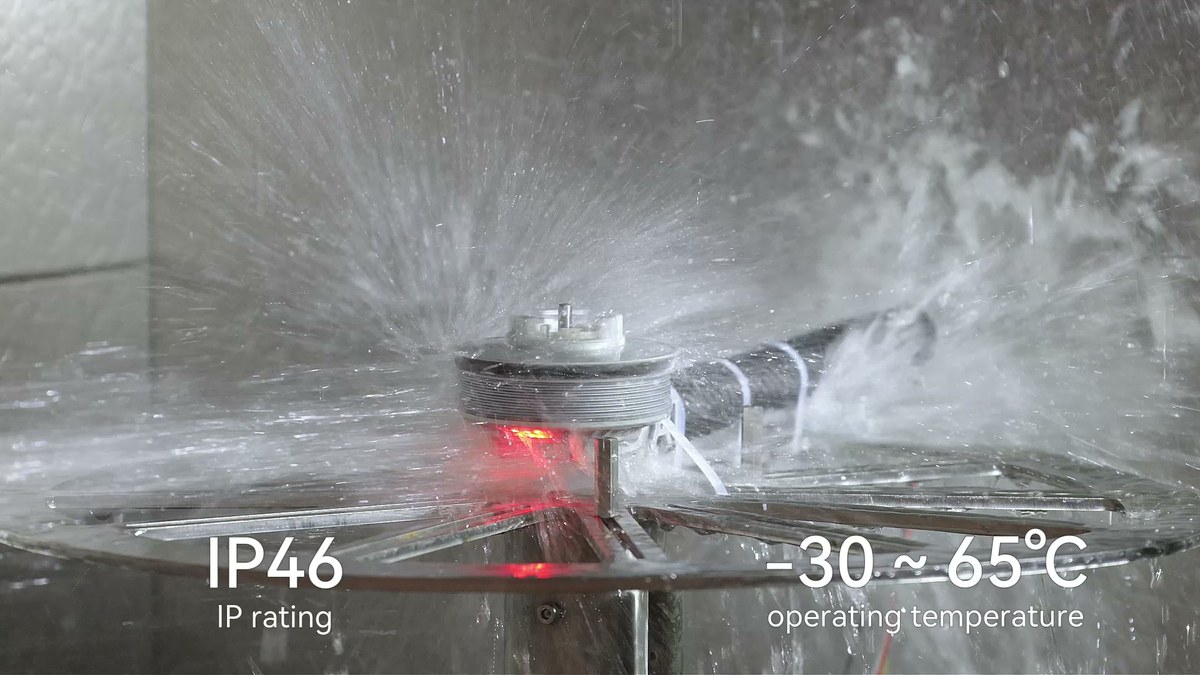
- Forced Aerosol Ingestion via Propeller Downwash: Propeller wash velocities (18 to 28 m/s) generate localized dynamic pressure over the motor housing, forcing atomized saline aerosols into rotational gaps and shaft openings.
- Salt Crystal Crust Formation: Fine droplets settling on operating motors evaporate rapidly due to internal operating temperatures, depositing hard crystalline salt residues. These hygroscopic deposits degrade precision mechanical clearances and form conductive electrolyte paths across metal interfaces.
- Thermal-Barometric Pumping (Negative Pressure Ingress): During normal cruise flight, internal motor windings operate at elevated temperatures. When an aircraft descends through cold sea mist or lands on a damp marine surface, the internal air volume cools rapidly and contracts. This temperature drop produces an internal negative pressure differential that actively pulls exterior saline moisture past traditional seal interfaces into the motor core.
2. Physical Degradation: Bearing Lubricant Breakdown and Seal Wear
In maritime operations, conventional motor designs exhibit predictable failure progressions when exposed to continuous saline environments:
When conductive saline aerosols bypass external seals and reach the bearing raceways, the moisture emulsifies synthetic grease, accelerating mechanical wear. Furthermore, high-frequency switching transients from motor drive inverters generate micro-voltages across rotating shafts; in the presence of conductive saline electrolytes, microscopic discharge can pit the smooth raceway surfaces, leading to rotational vibration, elevated operating temperatures, and eventual mechanical seizure.
3. Engineering Limitations of Traditional Protection Methods
To combat marine environmental degradation, standard commercial motors typically rely on one of three conventional methods, each carrying significant engineering compromises:
| Protection Method | Operating Principle | Engineering Limitation in Marine Service |
|---|---|---|
| Stator Conformal Spray Coating | Polymer or acrylic film sprayed over stator windings | Under high rotational speeds and thermal expansion cycles, thin coatings develop micro-cracks and delaminate, leaving copper windings exposed to salt air. |
| Contact Rubber Lip Seals (2RS) | Elastomeric lip pressed against rotating steel shaft | Continuous sliding friction generates parasitic heat and wears a circumferential groove into the shaft, degrading sealing effectiveness over operating hours. |
| Full Resin Potting Enclosure | Stator cavity encapsulated in solid potting compound | Potting resins exhibit low thermal conductivity (typically 0.4–0.8 W/m·K), trapping internal winding heat and requiring substantial continuous power derating. |
4. The N-Series Engineering Approach: Dual Dynamic Sealing and Direct Conduction
The IPET N-Series addresses these challenges through physical mechanical design rather than chemical coatings or friction-heavy contact seals:
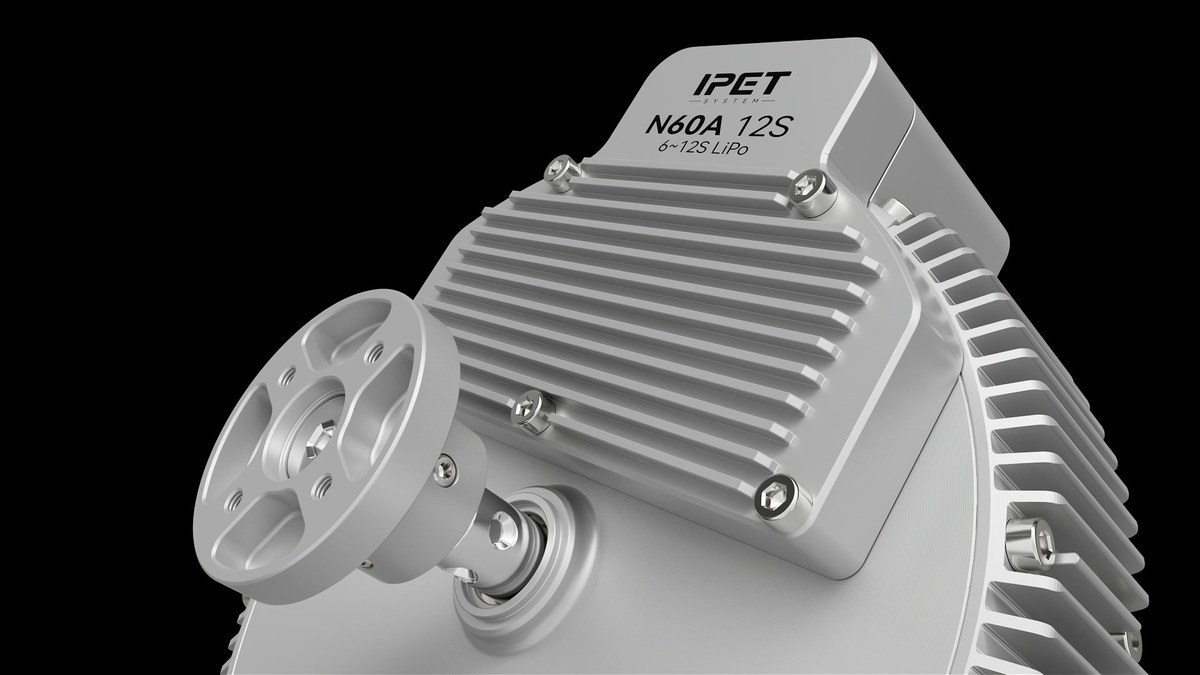
- Dual Dynamic Sealing with Centrifugal Flingers: Instead of pressing rubber against the spinning shaft, the N-Series incorporates a multi-stage tortuous labyrinth path machined directly into the CNC aluminum housing, combined with integrated centrifugal flingers. As the rotor spins, the flingers generate an outward rotational velocity field that expels liquid droplets and saline aerosols along a tangent before they can contact internal bearing cavities. With zero mechanical contact against the shaft, there is no frictional shaft grooving or seal degradation over time.
- Precision Dual-Plane Dynamic Balancing: Rotors are balanced on precision dual-plane balancing machines with residual unbalance strictly controlled to under 5 mg (compared to standard commercial tolerances of 15–25 mg). Minimizing rotational unbalance eliminates high-frequency radial vibration, protecting bearing raceways and reducing structural fatigue across the motor-arm interface.
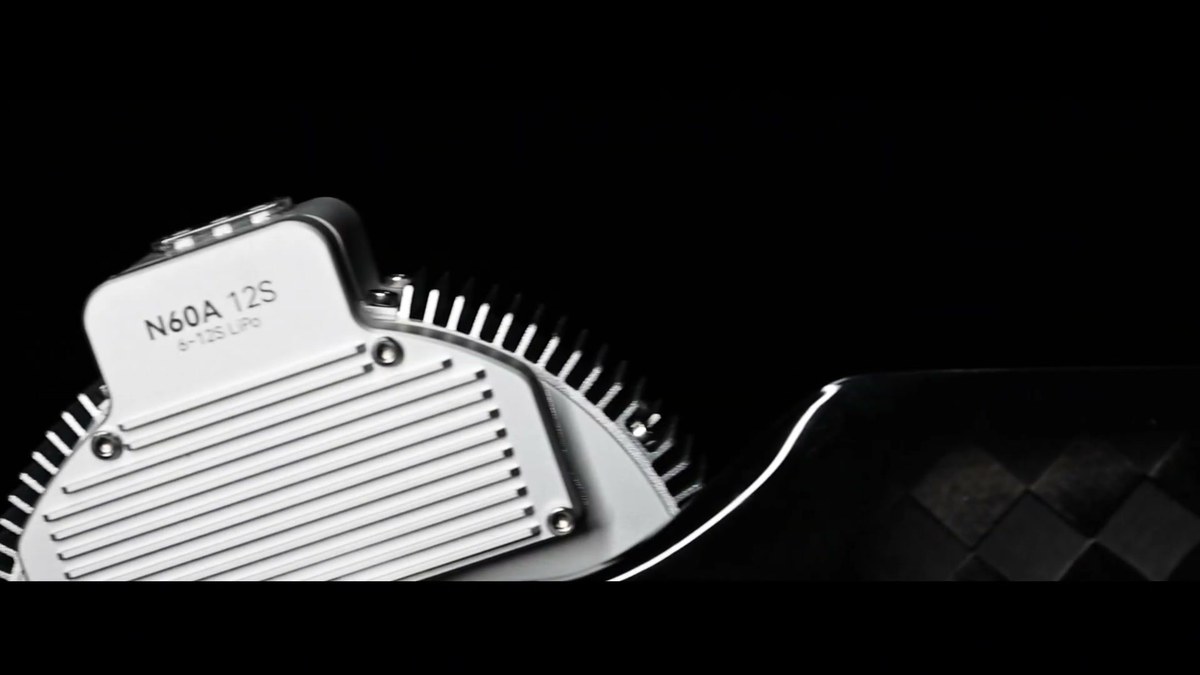
- Direct Conduction Passive Thermal Management: Rather than encapsulating windings in insulating potting resin, the stator iron core is thermally coupled directly to the CNC 6061-T6 aluminum chassis. Heat generated in the copper coils conducts outward into external aerodynamic cooling fins, continuously swept by the propeller slipstream. This preserves full continuous rated thrust without thermal derating.
5. Environmental Validation and Practical Maintenance Recommendations
To verify operational reliability, the IPET N-Series is evaluated through dynamic IP46 high-pressure water spray testing under full operational rotation and wide-temperature cycling across a -30°C to +65°C operating envelope. For engineering teams deploying multirotors in coastal environments:
- Verify Dynamic Protection: Evaluate propulsion sealing under continuous rotational operation rather than relying solely on static immersion ratings.
- Inspect Seal Geometry: Prefer non-contact centrifugal labyrinth sealing over elastomeric contact seals to prevent rotational shaft grooving.
- Implement Routine Fresh Water Washdowns: Following coastal flights, rinse the airframe and motor exteriors with low-pressure clean fresh water to remove surface crystalline salt accumulation. IP46-qualified architectures withstand routine fresh water rinsing safely.
Developing Coastal and Marine UAV Platforms?
Access complete 3D CAD models, dyno test data, and integration documentation for the IPET N-Series all-weather propulsion systems.
Explore N-Series Propulsion Systems →